



Australian Housing Market: Progress and Challenges
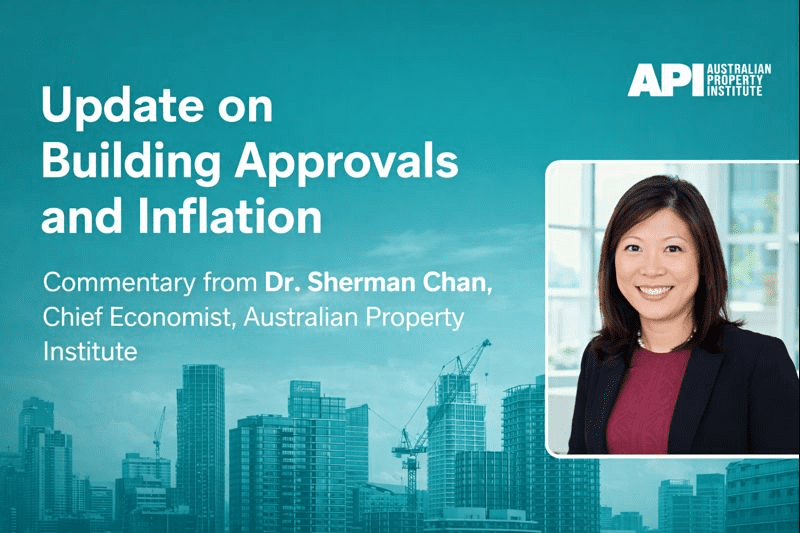
Housing Market Shows Early Signs of Recovery
Australian housing market overview
The housing market in Australia is slowly improving; however, challenges remain. According to the Australian Bureau of Statistics (ABS), building approvals rose in November. Consequently, this increase signals more construction activity in the coming months. Moreover, inflation eased slightly, giving some relief to homeowners and property investors.
Challenges Facing Housing Supply
Australian housing market construction challenges
Dr. Sherman Chan, Chief Economist at the Australian Property Institute (API), explains that higher building approvals can help increase supply over time. “More approvals mean more homes can be built,” he says. This may therefore ease affordability pressures in the long term.
However, the market still faces obstacles. In addition to rising costs, construction delays and labor shortages continue to slow new housing projects across Australia.
How Inflation and Interest Rates Affect Buyers
Australian housing market interest rates
Inflation in Australia remains above the Reserve Bank of Australia’s (RBA) target of 2–3%. As a result, the RBA is likely to remain cautious when setting interest rates. These decisions directly affect mortgage repayments, which in turn influence housing demand.
For first-home buyers, this could mean waiting longer before locking in favorable rates. Meanwhile, investors must carefully plan to manage borrowing costs.
Regional Differences in Recovery
Australian housing market regional development
Recovery varies across regions. For example, cities like Sydney and Melbourne have seen moderate price growth and stronger building activity in certain suburbs. On the other hand, smaller cities and regional areas are recovering at different speeds.
Furthermore, regions with new infrastructure or government incentives attract more buyers. Conversely, areas with limited new developments still face housing shortages.
Tips for Buyers and Investors
Australian housing market first home buyers
For Australians looking to buy a home, there are both opportunities and challenges. First-time buyers should explore government schemes, such as the First Home Owner Grant (FHOG), and state-based stamp duty concessions. These incentives can make entering the property market more affordable.
Investors should also monitor rental yields, vacancy rates, and local demand. In addition, areas with growing populations, new commercial projects, or improved transport links often provide better long-term returns. Websites such as CoreLogic Australia provide detailed property market analysis for buyers and investors alike.
For more detailed information, see the API Economic Data Note (Nov 2025 PDF).
Construction Costs and Supply Challenges
Australian housing market construction costs
Rising construction costs remain a concern. Labour shortages, global supply chain issues, and higher material prices are slowing new home deliveries. As a result, building an average house has become 10–15% more expensive over the past year.
To address these challenges, developers are increasingly using modular and prefabricated building methods. These techniques reduce both time and costs, which helps meet housing demand faster.
Role of Interest Rates in the Housing Market
Australian housing market interest rate impact
Interest rates play a key role in shaping the housing market. Even small changes in the RBA cash rate affect mortgage repayments and borrowing capacity. Therefore, buyers are monitoring announcements closely. A cautious approach from the RBA may provide stability, whereas sudden increases could pressure affordability.
Outlook for the Australian Housing Market in 2026
Australian housing market outlook 2026
Looking forward, the Australian housing market is likely to continue recovering slowly. Increased building approvals and government support programs are positive signs. However, affordability issues and inflation pressures may persist.
Buyers and investors should focus on long-term trends rather than short-term fluctuations. By staying informed and using trusted resources, Australians can make better property decisions.
Internal Links
- Understanding Mortgage Rates in Australia
- First-Home Buyer Tips
- Property Investment Strategies in 2026
External Links
- ABS building approvals: https://www.abs.gov.au/statistics
- RBA inflation & rates: https://www.rba.gov.au/statistics/
- Government housing incentives: https://www.australia.gov.au/housing-grants
- API PDF: API Economic Data Note (Nov 2025)